Case Studies

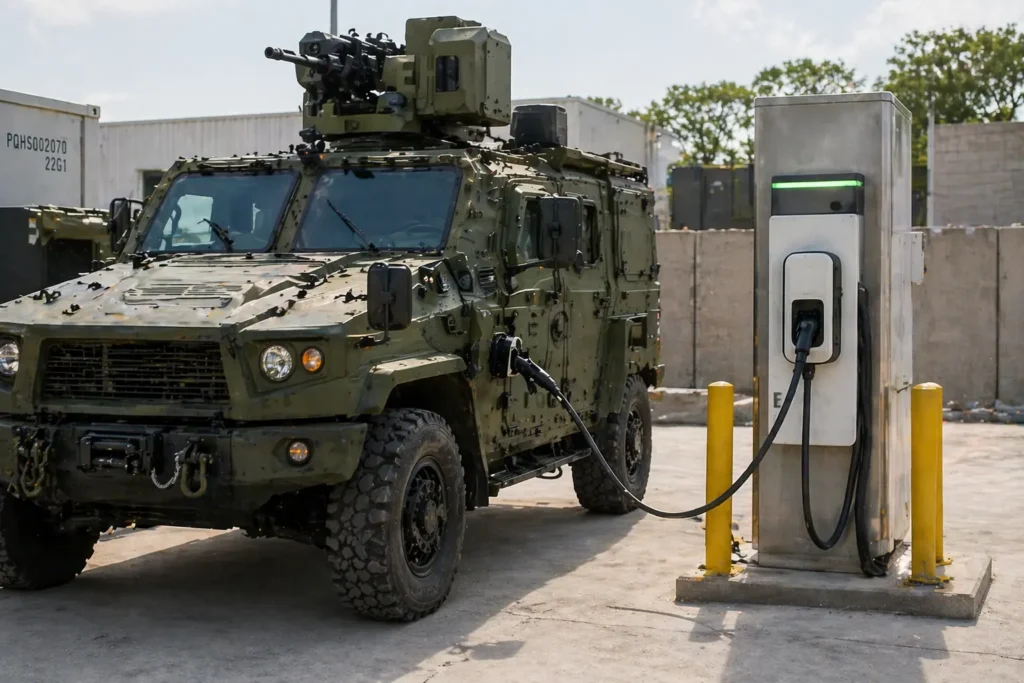
Electric Military Vehicle’s charging system security

The rapid growth of the use of electric vehicles (EVs) in the military requires a robust and secure charging infrastructure, addressing cyber threats and security issues within Electric Vehicle Charging Stations (EVCS). A thorough analysis of EVCS vulnerabilities, risks associated with EV user interfaces, network connections, and maintenance are done. is needed. Leveraging the STRIDE threat model, potential cyberattacks, including various modes, will be are identified. We will propose a range of countermeasures, such as secure coding practices, tamper detection sensors, network segmentation, intrusion detection systems, and control mechanisms’ role-based access to fortify EV charging systems against threats. We identify security gaps in EV charging systems and propose remedies. Innovative solutions like Artificial Intelligence-Based Scheduling Models, Over-the-Air (OTA) Updates, and Vehicle-to-Grid (V2G) concepts will be explored to enhance security and efficiency.


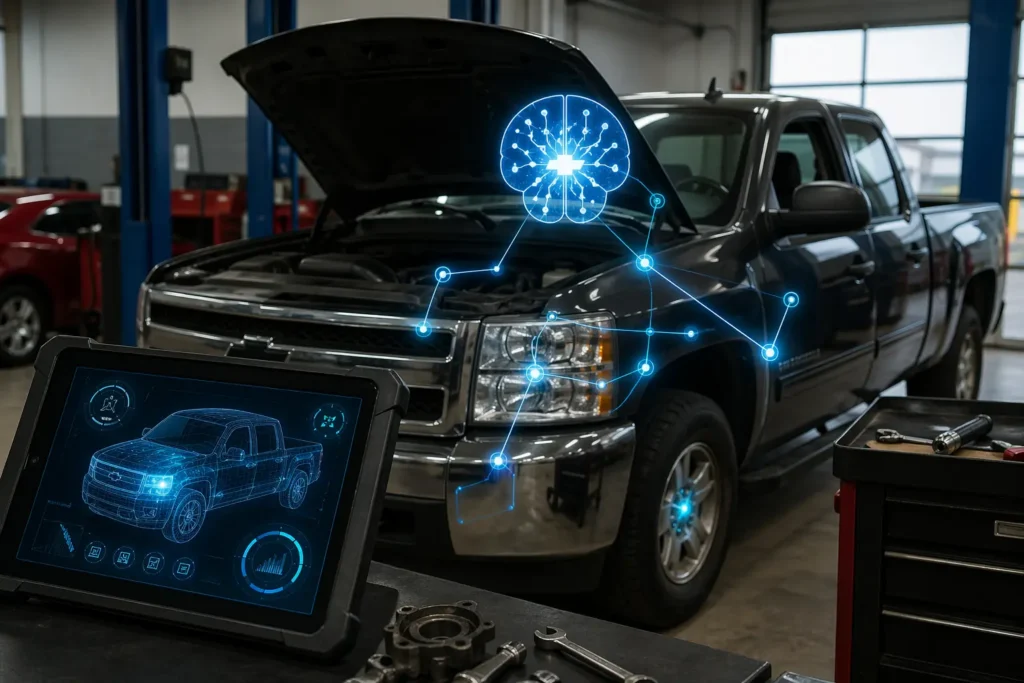
AI- powered real-time, Vehicle battery monitoring and predictive maintenance

We developed a product for Vehicle battery testing in real time. This involves using advanced technologies, such as artificial intelligence, to continuously monitor and analyze battery performance. Brar does In-Vehicle Testing: This method evaluates the battery’s health while installed in the vehicle, providing analysis in rough conditions. Real-Time Monitoring collects voltage, temperature, and impedance to predict the life span of the battery. The AI-based testing with the smart battery monitors accurately predicts the health of the battery in a short time.

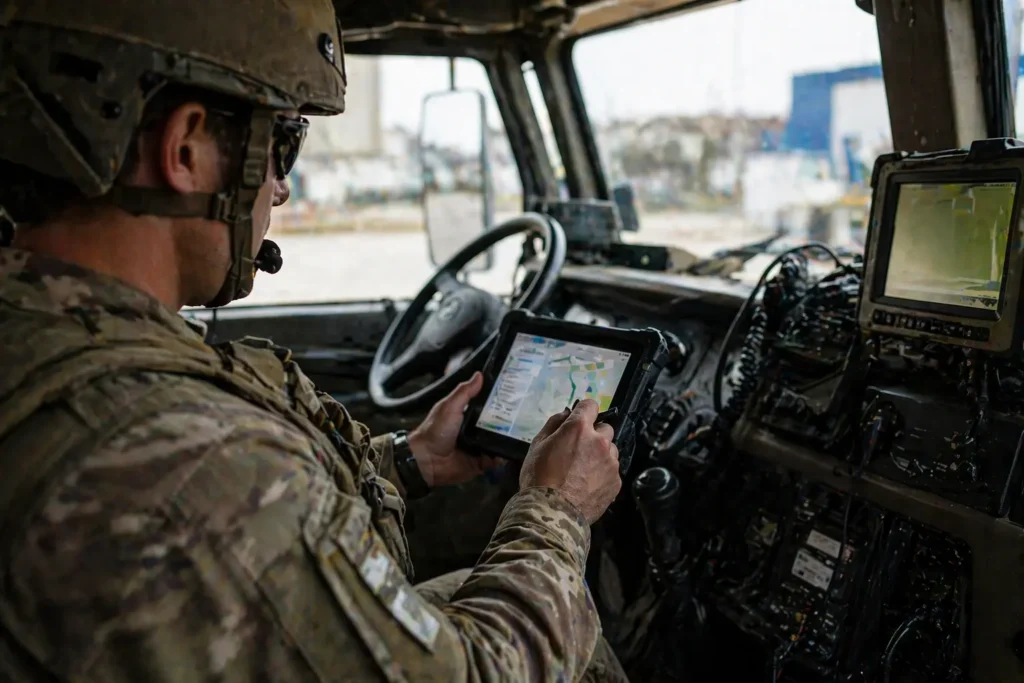
Minimum Viable Product contextualizer

We developed a software solution for a Minimum Viable Product (MVP) contextualizer prototype that integrates with a control system to establish application context. The solution focuses on designing applications that address both cost and technical challenges by identifying process-defined elements, mapping equipment within each process unit, and linking process variables to their associated equipment. It features a user-friendly interface that transforms raw data into a human-readable format. Data from the PlantPAx system is transmitted via OPC UA to the Contextualizer, which then communicates with Sophie through a REST API.

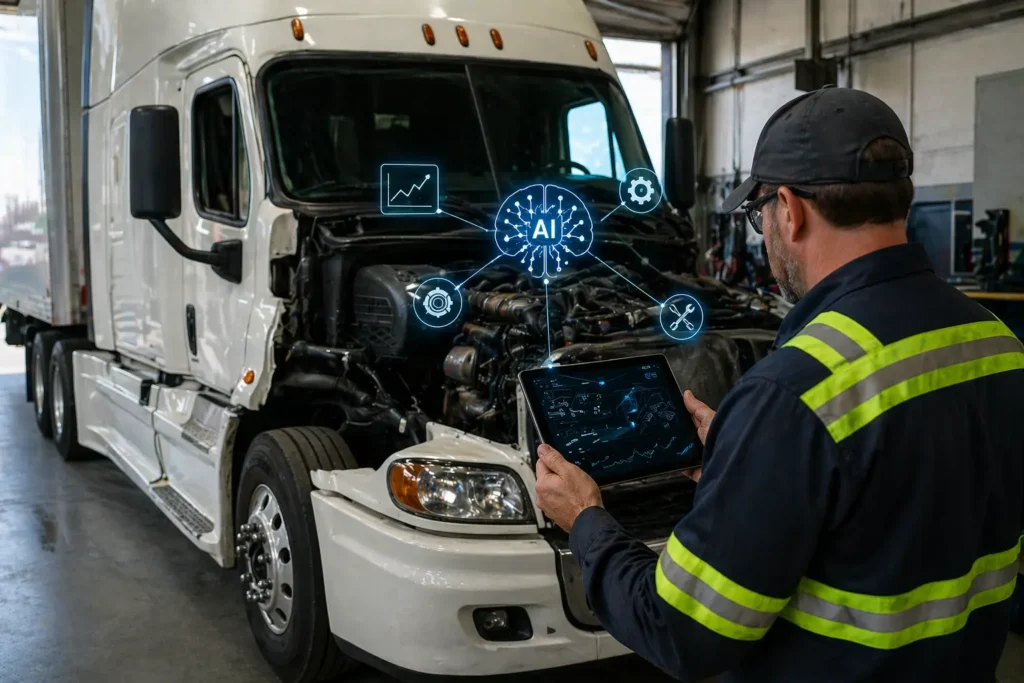
Developing defect detection algorithms and prescriptive maintenance Framework for PCB manufacturing systems

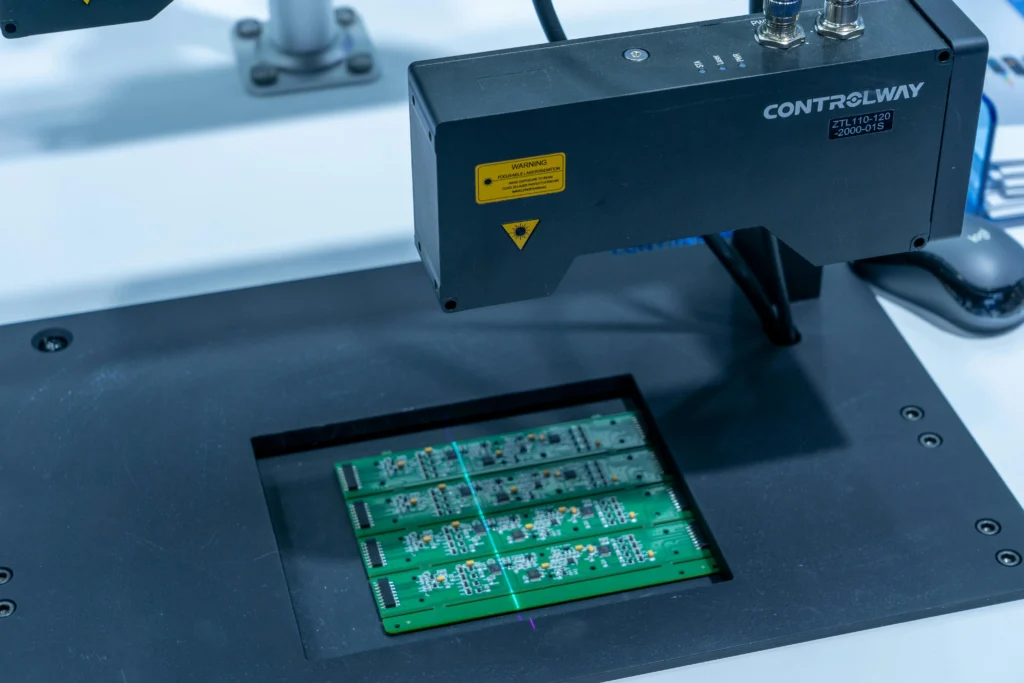
Brar is exploring a new approach to prescriptive maintenance: a quality control based artificial intelligence algorithm that can predict when machines are going to fail. To appreciate its significance and potential, it is necessary to understand the evolution of maintenance as a concept and a practice. Reactive maintenance—“You wait until it breaks and then you fix it”—was the first commonly accepted maintenance paradigm. This gave way to planned maintenance, changing something after a specific period of time according to a preconceived timetable. Predictive maintenance was next. It demanded that specialists examine data to predict failure and anticipate needs. The last step in this conceptual evolution is prescriptive maintenance: trying to prevent failure, recommending steps to forestall decline, and extending the life of the part. Truly effective prescriptive maintenance requires having parts already sourced and personnel ready so that maintenance does not impede production. Traditionally, prescriptive maintenance requires a significant amount of data, gathered by expensive sensors and subjected to the analysis of experts with extensive maintenance records at their disposal. It is time and labor-intensive.

©2026 Brar Tech Inc. Copyright. Website made by Lumifi Digital Marketing